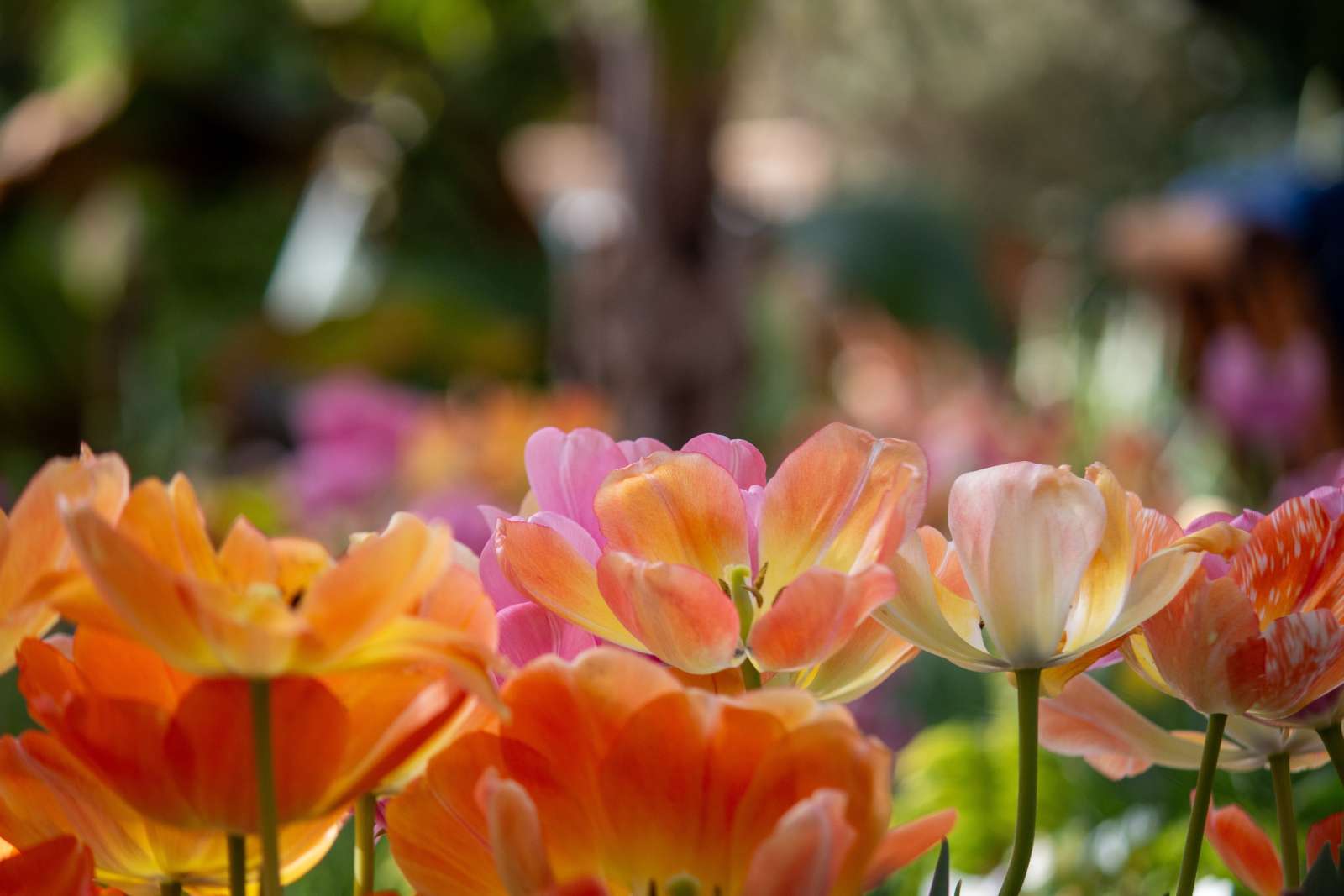
When visitors stroll through the gardens, it is very easy to notice only the big things: lush landscapes, beautiful blooms, and plants so weird they have you wondering if you’ve stumbled into a nature documentary. Of course, these big things keep people coming back, but in truth, the small wonders of the gardens are what keep it thriving.
Pause beside a flower and look closer. What first appears still and decorative quickly reveals movement: bees gathering pollen, butterflies pausing for nectar, and tiny beetles navigating petals like explorers. These small pollinators play an enormous role in keeping gardens alive. Without them, many plants wouldn’t produce seeds, fruits, or future blooms. Each visit to the garden is supported by thousands of these miniature workers, forming an invisible partnership between plants and insects that has existed for millions of years.
Even more activity happens where we can’t see it. Beneath every garden bed lies a complex underground ecosystem filled with microorganisms, fungi, and beneficial insects. These microscopic helpers break down organic matter, recycle nutrients, and improve soil structure, allowing plants to grow stronger and healthier. The difference between an average garden and a thriving one often comes down to these tiny organisms working together behind the scenes.
Not every garden star needs to be tall or dramatic. Groundcovers, herbs, and young seedlings may seem modest, but they play essential roles. Smaller plants help prevent soil erosion, retain moisture, support pollinators, and fill spaces that larger plants cannot. They create balance, layering the garden in ways that make it both beautiful and sustainable. In many ways, these smaller elements act as the foundation that allows larger features to shine.
One of the joys of visiting a garden is discovering how much there is to notice when you slow down. A dew drop reflecting morning light or a newly emerging sprout can easily be missed when we focus only on the big picture.
The “Big & Small” theme for the gardens this year invites us to shift perspective to appreciate not only grand landscapes but also the intricate details that give them life. When we take time to observe closely, the gardens become full of surprises.
Next time you visit, try choosing just one small area and exploring it slowly. You may discover that the garden’s greatest wonders aren’t always the ones that stand tallest. Sometimes they’re the ones waiting patiently to be noticed.